
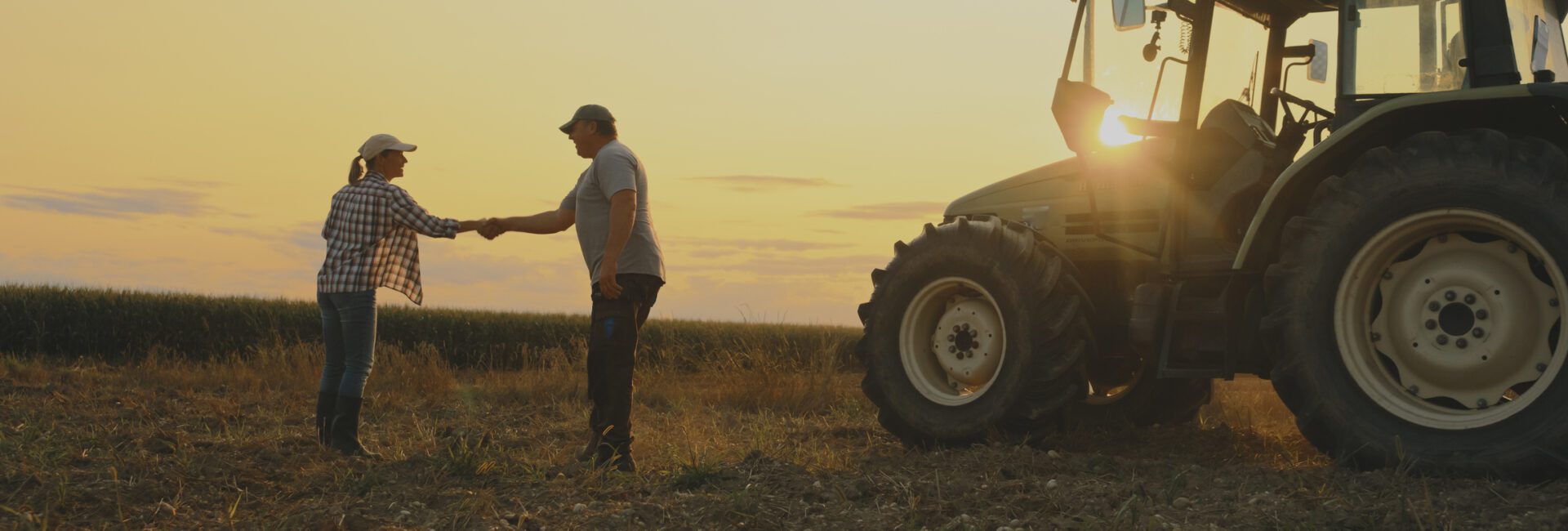
Long before sustainability reports and climate risk assessments, farmers were already practicing a form of collective learning. They compared notes in grain elevators, shared weather insights at the feed store, and traded planting advice across fence lines. Those informal exchanges laid the groundwork for a tradition that continues today: learning together to solve shared challenges.
As agriculture modernized, so did these learning circles. The late 20th century saw new frameworks emerge like Indonesia’s Farmer Field School and Argentina’s CREA (Regional Consortiums for Agricultural Experimentation), where participants met regularly to experiment, observe, and share findings.
Fast-forward to today, and the model continues to evolve — now extending well beyond the farm gate. Food and ag companies are increasingly turning to peer groups to drive progress in areas like sustainability, operational efficiency, and leadership development.
Why Peer Groups Matter for Sustainability
Sustainability in food and agriculture requires more than good intentions — it demands cooperation. Whether the goal is to reduce waste, lower emissions, or create more transparent sourcing practices, progress depends on collective effort. Peer groups give companies a structured way to connect and learn from one another, turning shared goals into shared action.
Through peer collaboration, leaders gain:
- Meaningful benchmarking: Compare sustainability metrics and practices across companies to reveal actionable insights.
- Collaborative problem-solving: Address challenges like measuring scope 3 emissions or integrating regenerative practices with peers who’ve been there.
- Accountability and momentum: Regular meetings and reporting cycles keep goals on track and visible.
- Confidential, trusted dialogue: As agricultural economist Dr. Danny Klinefelter emphasized, the best peer groups act as informal advisory boards — built on mutual respect, active participation, and strict confidentiality.
The Pinion Approach
At Pinion, we’ve seen how peer learning translates into measurable results. Our facilitators bring together leaders across the food and ag value chain — from growers to processors to manufacturers — to exchange ideas, compare data, and drive innovation in sustainability and business performance.
As Pinion facilitator Davon Cook shares, “I’ve led hundreds of peer group meetings over the last thirteen years. At every meeting I am inspired by the sharing that takes place. It brings real value to members. It’s a powerful combination of specific business advice and personal support through the challenges of leadership.”
Technology now allows these collaborations to stretch across regions and time zones, connecting participants whether they’re in a field, a boardroom, or halfway across the world. What began as a neighborly exchange of advice has evolved into a powerful, data-driven model for sustainable growth.
Louis DeMaso, Pinion sustainability advisor says, “Peer groups remind us of a simple truth: progress happens faster when we learn together.”
For food and ag companies striving toward ambitious sustainability goals, these groups provide a trusted space for honest dialogue, innovation, and measurable action.
Interested in joining a peer group? Learn more or reach out to a Pinion advisor for more information.