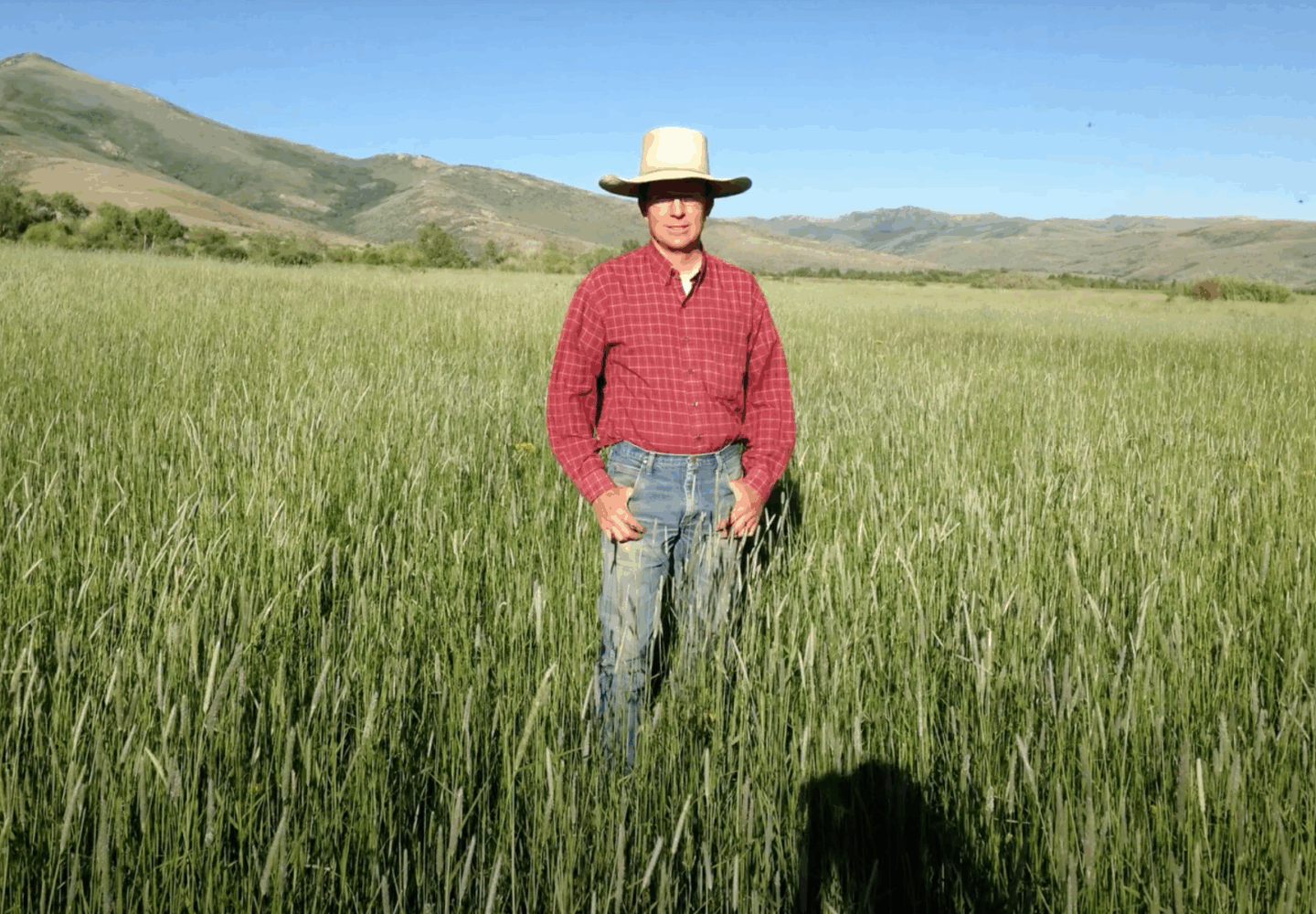
Pinion’s sustainability team recently sat down for an interview with Jared Sorenson, a third-generation rancher based in Ruby Valley, Nevada, to discuss how a stewardship mindset shapes long-term ranch management and sustainable agricultural practices. With deep roots in the region and a commitment to stewardship, Sorenson has managed his family ranch for over 25 years, building on his grandparents’ and parent’s legacy. He and his wife have nine children and recently welcomed their fifth grandchild, underscoring the multi-generational legacy that shapes their approach and commitment to ranching.
What is the Stewardship Mindset?
Sorenson defines the stewardship mindset as a philosophy rooted in responsibility and long-term thinking. He encourages ranchers to measure success not only by financial metrics, by also by improvements in soil health, water retention, and the ability to pass the ranch on to the next generation.
His stewardship-driven approach is not limited to ranching. It can be applied to create lasting value for any agricultural operation by reducing input costs and improving resilience.
“Stewardship is about making the most of the resources, relationships, and opportunities entrusted to us,” Sorenson says, drawing from the biblical parable of the talents.
“Anyone can be a good steward — even if they don’t own the land they manage.”
Creating Value Through Stewardship
“Agriculture can be incredibly productive,” says Sorenson, “but that doesn’t always translate into profit. With high input costs, it’s a constant challenge to balance yields with profitability.”
His ranching philosophy focuses on striking a balance between long-term stewardship and meeting immediate production demands. By practicing good stewardship, he enhances the land’s ability to support greater production without additional inputs, making it possible to increase production while lowering costs and maintaining profitability.
Following are a few of his guiding principles:
- Law of Diminishing Returns: Chasing higher yields can lead to increased costs that outweigh the benefits. Sometimes, lower production can be more profitable.
- Measuring What Matters: It’s important to measure economic efficiency indicators (e.g., gross margin per unit) and ecological metrics (e.g., water retention and soil health) to guide decision-making.
- Transition Challenges: Moving to a stewardship-driven business model may involve short-term production challenges, but with the right strategies, ranchers can avoid or minimize these challenges and achieve long-term gains.
- Personal and Generational Wellbeing: Stewardship also encompasses quality of life and succession planning, ensuring that the ranch remains viable and attractive for future generations.
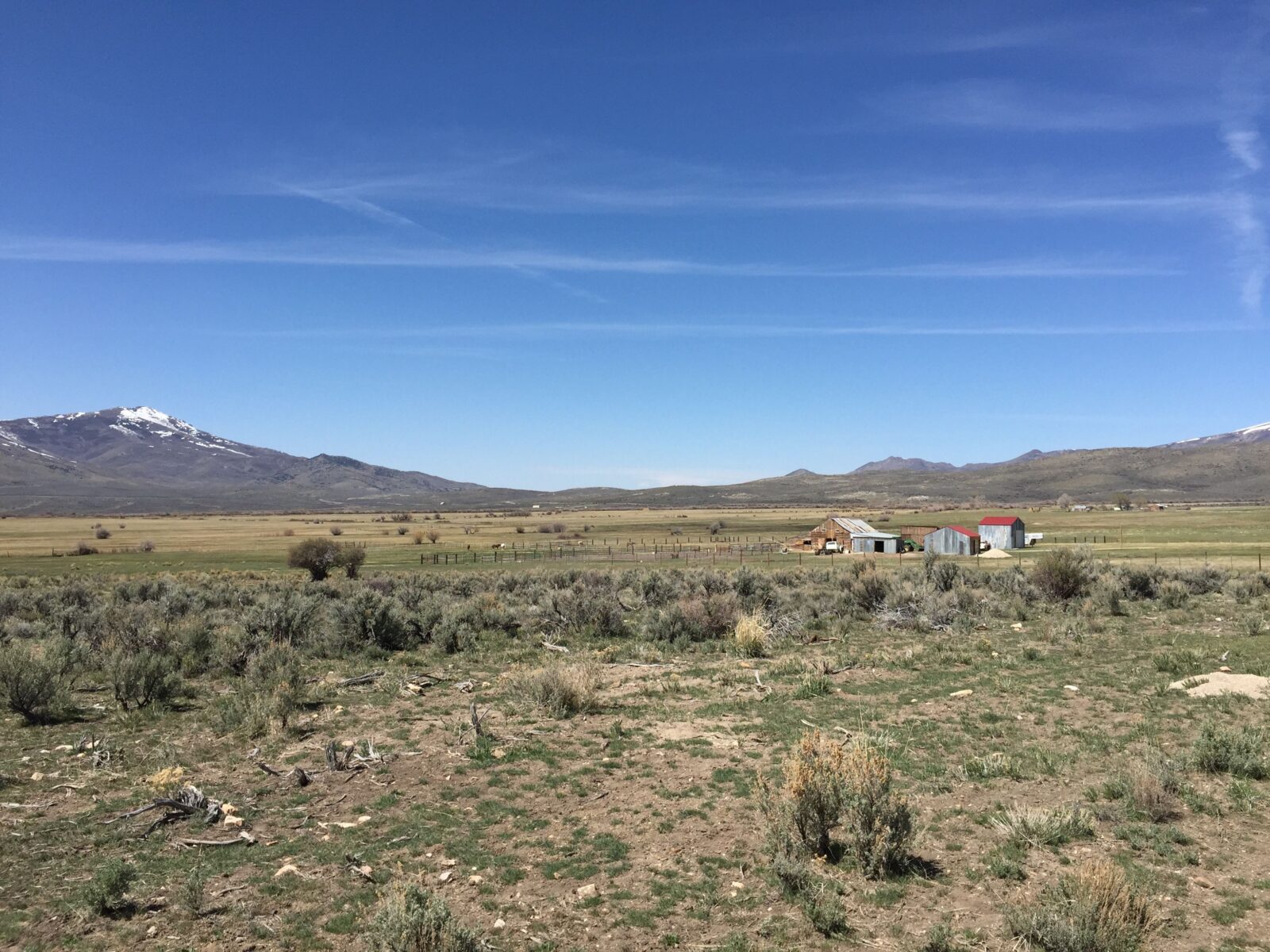
Sorenson’s experience with Nevada’s conservation credit system further shows how stewardship can create economic value. While initially skeptical about government involvement, he soon found that the program’s requirements aligned with his existing management practices and didn’t add unnecessary bureaucracy. By committing to habitat management and ecological monitoring, Secret Pass Ranch has generated additional revenue and paid off debt, furthering his mission to secure a legacy for future generations.
Ranching-Specific Perspectives: The Value of ‘Tightening Up Grazing’
“A great place to start is tightening up grazing,” Sorenson says. “It’s a practical, high impact step any ranchers can take to improve stewardship.”
This approach involves:
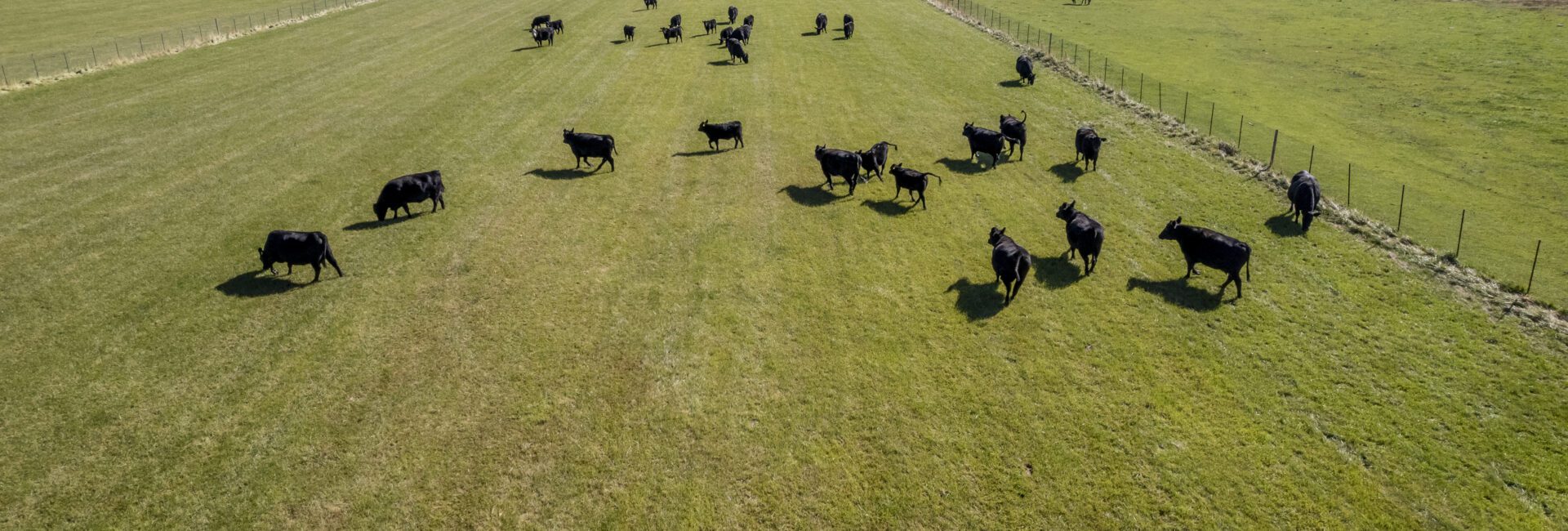
- Strategic Movement: Instead of allowing livestock access to multiple fields, ranchers close gates and move animals strategically, preventing overgrazing and allowing key plant species to recover.
- Stock Density and Recovery: By focusing on stock density and timing, ranchers can promote the growth of deep-rooted perennial grasses and forbs, which are vital for soil health and ecosystem resilience.
- Contextual Adaptation: The recovery period for a grazing area varies by region. Arid regions may require a single grazing event per year, while irrigated or more humid areas can recover in as little as 30 days.
Technological advances like virtual fencing and low-cost electric fencing make this grazing strategy more accessible than ever. Sorenson shares that in over one decade of implementing a tighter grazing strategy, Secret Pass Ranch has seen significant ecological improvements, including the return of beavers to riparian areas, rising water tables, and increased forage diversity.
Over time, these changes have increased the ranch’s ability to support more animals on the same land, demonstrating the tangible value of stewardship-driven practices.
Turning Stewardship into Measurable Results
Sorenson’s story demonstrates that stewardship is not just an abstract concept — it’s a practical approach that can improve land productivity, reduce costs, and produce significant revenue while supporting family and business goals.
For those who are skeptical, the key is to focus on measurable results. Start with small changes like new grazing methods, track the outcomes, and build on what works. Stewardship is about creating value today while ensuring that the business remains viable for future generations.